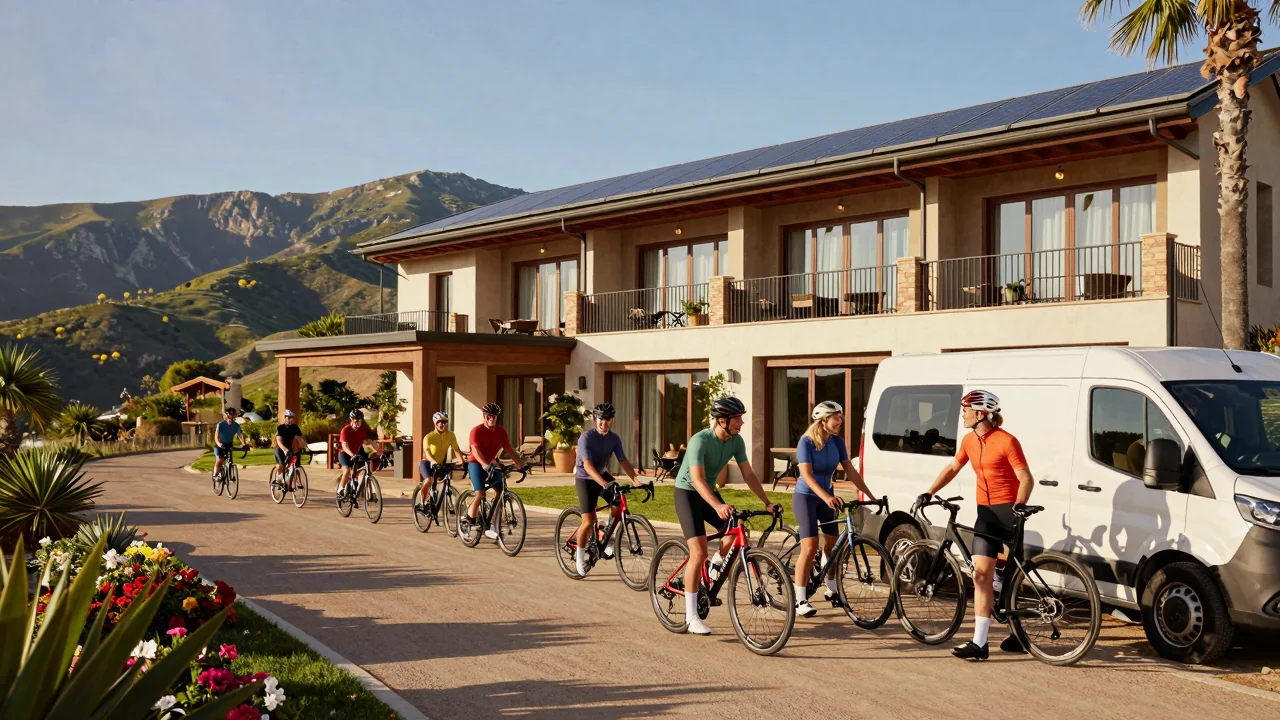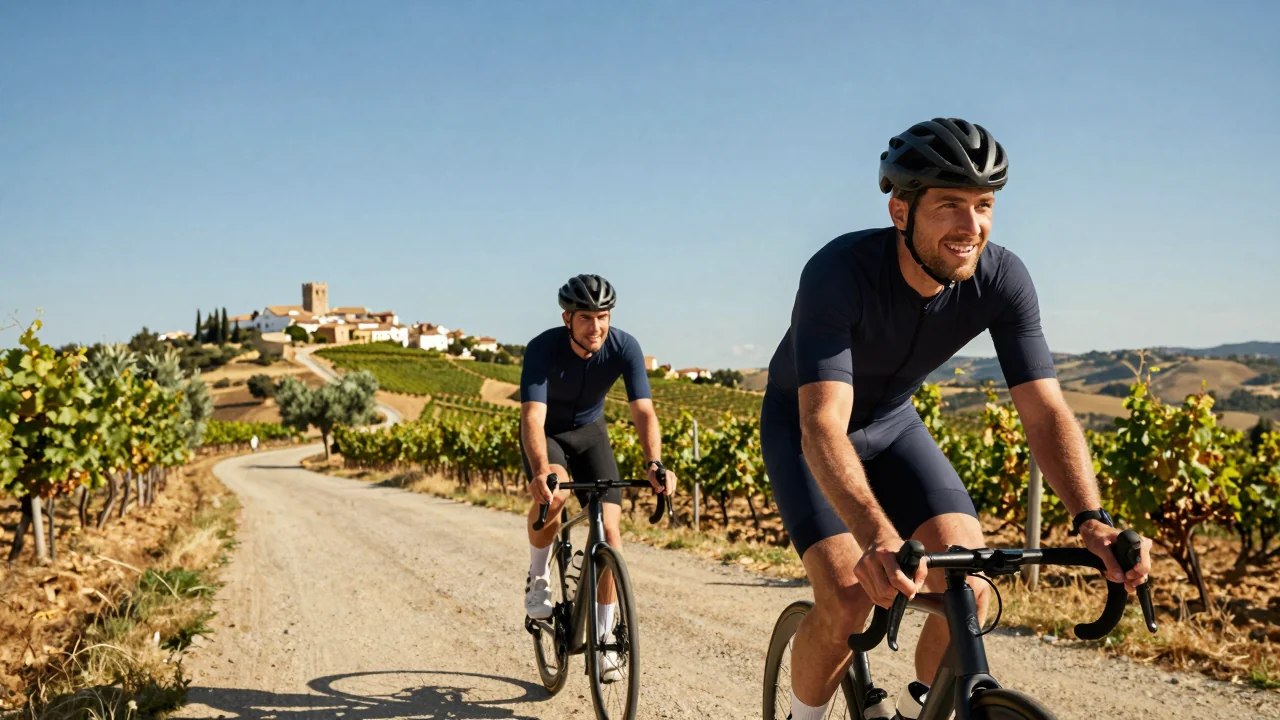
Imagine pedaling through the golden light of dawn along Spain’s Costa Brava, the Mediterranean breeze carrying the scent of pine and sea salt. You’ve trained for months, your bike—perhaps a specialized Turbo Creo SL—humming beneath you as you tackle the winding coastal roads. This isn’t just any ride; it’s the culmination of careful planning, where timing is everything. Knowing the best time to cycle Spain can transform your adventure from good to unforgettable.
Spain’s cycling season varies dramatically by region, but generally, spring and autumn offer ideal conditions. In 2026, cyclists should aim for April to June or September to October, when temperatures are mild and crowds thinner than in the scorching summer months. The Pyrenees, for instance, boast snow-free passes by late May, while Andalusia’s hills remain manageable before the midday heat intensifies. Even if you’re a seasoned rider, weather patterns can shift—so checking forecasts like Windy or Komoot ahead of time is non-negotiable. Whether you’re chasing the camaraderie of La Vuelta routes or the solitude of rural Castilla y León, timing your trip right ensures every pedal stroke is pure joy.
Best Time to Cycle Spain
Spain offers diverse cycling conditions year-round, but 2026 presents unique opportunities for riders seeking ideal weather. The best time cycling Spain generally falls between March and June, then September through October, when temperatures are mild and rainfall minimal.
Weather Considerations in 2026
Northern regions like the Basque Country and Galicia typically experience cooler, wetter conditions into early summer. In contrast, Andalusia and Valencia enjoy warm, dry weather earlier, making them prime destinations from March onward. Cyclists should pack lightweight layers for morning rides and sun protection for midday excursions.
- Spring (March–May): Ideal for coastal routes; expect 15–25°C
- Summer (June–August): Coastal areas stay pleasant (~28°C), while inland regions can exceed 35°C
- Autumn (September–November): Perfect for mountain passes with cooler temps (10–22°C)
- Winter (December–February): Best for southern Spain; avoid Pyrenees due to snow
Popular routes like the Camino de Santiago benefit from stable weather in May or September. For endurance cyclists, the Transpyrénée route is best tackled in June before mountain passes become crowded.
With ideal conditions mapped out, the next step is preparing your gear for Spain’s varied terrain.
Ideal Months for Cycling Routes
Spain’s diverse climate makes it a year-round destination for cyclists, but the best time to cycle Spain is during spring and autumn when temperatures are mild, crowds are thinner, and the scenery is at its most vibrant.
Spring and Autumn Benefits
Spring (March to May) and autumn (September to November) offer ideal conditions for cycling enthusiasts. Temperatures typically range from 15°C to 25°C, reducing the risk of heat exhaustion while still providing comfortable riding weather. These seasons also coincide with Spain’s lush landscapes—spring blooms and autumn foliage create stunning backdrops for long-distance rides.
“The mild climate during spring and autumn makes these seasons perfect for exploring Spain’s diverse cycling routes without extreme weather interruptions.” — Cyclist Magazine 2026
For those planning a trip, the Best Cycling Routes in Barcelona for Tourists 2026 guide highlights scenic paths that are best enjoyed during these months. Additionally, cycling events like the Volta a Catalunya in spring attract professionals and amateurs alike, adding to the vibrant atmosphere.
With the ideal months established, it’s time to consider the essential gear needed for a smooth ride across Spain’s varied terrain.
Top Cycling Routes in Spain for 2026
Spain’s diverse landscapes offer cyclists an unparalleled variety of routes, from sun-drenched coastlines to rugged mountain passes. Whether you’re a seasoned rider or a casual enthusiast, choosing the best time cycling Spain ensures optimal conditions to explore these trails.
Coastal vs. Mountain Trails
For those who prefer gentle inclines and stunning sea views, coastal routes like the Camino del Norte are ideal. This 825-kilometer path along Spain’s northern coast features well-paved roads and mild weather year-round, making it perfect for riders using models like the Trek Domane SL7 ($3,400), which offers a smooth ride with vibration-dampening technology. The route passes through charming fishing villages and historic cities, providing a mix of adventure and culture.
Mountain trails, on the other hand, offer thrilling climbs and breathtaking vistas. The Pirineos 2000 route challenges cyclists with steep ascents like the famous Col du Tourmalet, a favorite among professionals using high-performance bikes such as the Specialized S-Works Tarmac SL8 ($14,000). These trails demand endurance and skill but reward riders with panoramic views of Spain’s dramatic landscapes. For more urban cycling adventures, check out Best Cycling Routes in Barcelona for Tourists 2026 to explore the city’s scenic paths.
With so many options, planning your route based on terrain and fitness level is key to maximizing your cycling experience in Spain. Next, let’s delve into how weather patterns can influence your ride.
Preparing for Your Cycling Trip
Planning your cycling adventure in Spain requires careful preparation, especially if you aim to find the best time cycling Spain with optimal weather and road conditions. Start by assessing your fitness level and gradually increasing your mileage in the months leading up to your trip. A structured training plan that includes both long endurance rides and interval sessions will help build stamina for tackling Spain’s diverse terrain, from coastal flats to mountainous climbs.
Essential Gear and Tips
Packing the right gear is crucial for a smooth cycling experience. Invest in high-quality equipment like the Specialized S-Works Tarmac SL8 ($12,000), known for its lightweight carbon frame and aerodynamic efficiency, or the Trek Émonda SL ($5,000), which offers a balance of performance and affordability. Don’t forget essentials such as:
- A Garmin Edge 1040 Solar GPS device ($600) for navigation and performance tracking.
- A Lezyne Micro Floor Drive HV ($35) high-volume hand pump for tire inflation on the go.
- Lightweight, moisture-wicking jerseys like the Castelli Free Aero Race ($180).
- Durable panniers or a bike bag to carry supplies, such as the Ortlieb Ultimate6 Classic Plus ($235).
- A Blackburn Outpost Waterproof Phone Pocket ($40) for protecting your phone from rain and dust.
Additionally, consider altitude training if you plan to ride in Spain’s high mountain regions, where thinner air can impact performance. Hydration and nutrition are key—carry electrolyte tablets and energy gels to maintain energy levels during long rides.
By ensuring you have the right gear and physical preparation, you’ll be ready to tackle Spain’s breathtaking cycling routes with confidence. Now that you’re prepared for the journey ahead, it’s time to explore the best routes that will take your adventure to new heights.
Cultural Experiences Along the Way
Spain’s diverse landscapes offer more than just scenic cycling routes—they’re a gateway to rich cultural experiences that make your journey unforgettable. From vibrant festivals to mouthwatering local cuisine, every pedal stroke brings you closer to authentic traditions.
Local Cuisine and Traditions
Cycling through Spain in 2026 means indulging in some of the world’s most celebrated dishes. Along the Camino de Santiago, stop at family-run sidrerías (cider houses) for a traditional Sidra Asturiana, poured from a height to aerate it properly—often paired with hearty fabada asturiana. In Andalusia, refuel with fresh gazpacho or pescaíto frito (fried fish) in coastal towns like Cádiz. For an extra boost on long rides, try turrón, a classic Spanish nougat made from almonds and honey.
“The best way to experience Spain is through its food—every region offers unique flavors that reflect centuries of history and local pride.” — Chef José Andrés, World Central Kitchen
In Catalonia, don’t miss pa amb tomàquet (bread with tomato), a simple yet iconic staple. Northern routes pass through Basque Country, where pintxos (small, gourmet tapas) turn every café into a culinary adventure. Whether you’re cycling for sport or leisure, these gastronomic stops make the best time to cycle Spain even more rewarding.
The flavors and traditions you encounter along the way will stay with you long after your ride ends, setting the stage for another key aspect of planning your journey.
Final Thoughts on the Best Time to Cycle Spain
Choosing the best time to cycle Spain depends on your preferences for weather, crowds, and scenery. Spring and fall offer ideal conditions with mild temperatures and fewer tourists, making them perfect for a peaceful ride. Summer brings warm weather but also larger groups of cyclists, while winter is best suited for those who prefer cooler climates and quieter routes. No matter the season, Spain’s diverse landscapes provide stunning backdrops for every type of cycling adventure.
To make the most of your trip in 2026, consider planning ahead based on these seasonal insights. Whether you’re tackling the Pyrenees or exploring Andalusia’s coastal paths, understanding the best time to cycle Spain will help you maximize your experience. Ready to hit the road? Start planning your cycling adventure today!