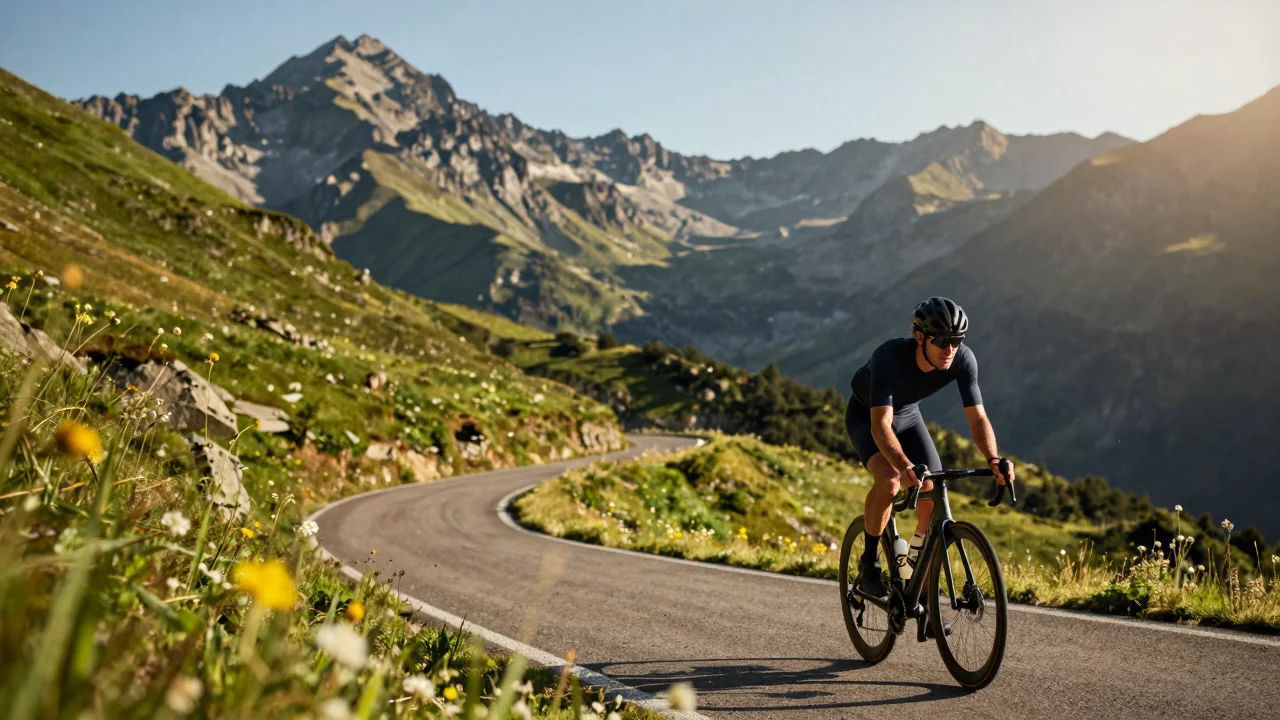
Have you ever dreamed of conquering cycling high altitude Spain routes where the air is thin and the views are endless? For serious cyclists, Spain’s towering peaks and winding mountain roads offer some of the most exhilarating challenges on Earth. From the legendary climbs of the Pyrenees to the dramatic ascents of Sierra Nevada, these routes push riders to their limits while rewarding them with panoramic vistas that make every pedal stroke worthwhile. In 2026, with advancements in cycling technology and route accessibility, these high-altitude adventures are more attainable than ever—whether you’re a seasoned pro or an ambitious enthusiast.
What makes Spain’s high-altitude cycling routes so special? It’s the perfect blend of raw physical challenge and unparalleled natural beauty. Consider the Col du Tourmalet in the Pyrenees, where professional cyclists have battled for glory in the Tour de France, or the brutal but breathtaking Alto de l’Angliru in Asturias, famous for its 24% gradients. In 2026, with GPS-enabled smart bikes like those from Garmin providing real-time altitude and performance data, riders can tackle these routes with greater precision than ever before. Whether you’re chasing personal bests or simply seeking the thrill of the climb, Spain’s high-altitude trails promise an unforgettable experience.
Top High-Altitude Climbs in Spain for 2026
Spain’s diverse topography offers some of the most exhilarating cycling high altitude routes in Europe, combining breathtaking vistas with grueling ascents that push even elite riders to their limits. In 2026, these climbs continue to attract cyclists seeking both challenge and adventure, thanks to well-maintained roads and a thriving cycling culture. Whether you’re training for La Vuelta or pursuing personal bests, these routes demand respect, preparation, and the right gear—such as the Shimano Dura-Ace Di2 R9270 groupset (MSRP $3,149.99), designed for precision shifting under extreme conditions.
For those who thrive on sheer difficulty, Spain’s high-altitude climbs deliver unforgettable experiences. The country’s mountainous regions, particularly the Pyrenees and Cantabrian Mountains, feature roads that test endurance, power, and technical skill. Equipped with the latest performance metrics from Garmin’s Edge 1040 Solar (MSRP $699.99), cyclists can track elevation gain, heart rate variability, and power output in real time—critical data for conquering these demanding ascents.
The Legendary Angliru
The Angliru stands as the quintessential cycling high altitude gauntlet, infamous for its relentless 23.6% ramps and average gradients exceeding 10%. Featured in La Vuelta multiple times, this climb near Asturias has humbled professionals like Alberto Contador, who once called it “the hardest climb I’ve ever done.” At 1,570 meters above sea level, the Angliru’s final kilometer is a brutal test of leg strength and mental resilience, often deciding race winners. To tackle it successfully, riders rely on lightweight frames like the Trek Madone SLR 9 Genesis (MSRP $12,699.99), optimized for aerodynamics without sacrificing stiffness.
Key details to remember when attempting the Angliru:
– Maximum gradient: 23.6% near the summit.
– Average gradient: 10.4% over 12.5 km.
– Elevation gain: 1,349 meters.
– Best time to climb: Early morning to avoid midday heat and congestion.
– Gear recommendation: Compact chainrings (e.g., Shimano Ultegra FC-R8100, MSRP $269.99) for easier pedaling on steep sections.
Puerto de Cotorro’s Technical Challenge
While less famous than the Angliru, Puerto de Cotorro is a hidden gem in Spain’s cycling high altitude repertoire, particularly for its technical precision demands. Located near León, this climb averages 8% over 16 km but features punchy, irregular ramps that disrupt rhythm—ideal for simulating real race conditions. The road surface, though well-paved, includes tight switchbacks requiring careful line selection, making it a favorite among time trialists honing their cornering skills.
Preparation is key for Cotorro, where riders often use the SRAM Red AXS Powermeter (MSRP $1,649.00) to analyze power distribution across varied gradients. Key stats include:
– Maximum gradient: 12% in key sections.
– Total elevation gain: 1,350 meters.
– Road conditions: Smooth but winding, with limited recovery zones.
– Best for training: Improving cadence management and gear selection.
– Essential gear: Climbing-specific tires like the Continental Grand Prix 5000 SL Tubeless (MSRP $89.95) for reduced rolling resistance.
As cyclists master these climbs, they’ll discover even more about their limits—and the gear that helps them push farther.
Why High-Altitude Cycling is a Must-Try Experience
High-altitude cycling transcends traditional routes by offering an exhilarating challenge against the backdrop of breathtaking landscapes. Riding above 2,000 meters (6,562 feet) forces your body to adapt to lower oxygen levels, improving cardiovascular efficiency and endurance. The Sierra Nevada’s A-395 climb, for example, reaches up to 2,508 meters (8,228 feet), where cyclists often report a 10–15% decrease in performance due to reduced oxygen—but the sense of achievement afterward is unmatched.
“Studies show that training at high altitudes can increase red blood cell production by up to 20%, enhancing aerobic capacity even after returning to lower elevations,” says Dr. Mark Hauser, sports physiologist at the University of Colorado.
The Physical and Mental Benefits
High-altitude cycling pushes your limits while rewarding you with unparalleled views. Physically, the reduced oxygen availability forces your heart to work harder, strengthening it over time. Riders using the Specialized S-Works Tarmac SL8 ($12,000) often note improved pedal efficiency on descents from peaks like Puerto de Cotes (1,973 meters / 6,473 feet). Mentally, conquering steep gradients and thin air builds resilience, as the brain releases endorphins in response to sustained effort—a natural high that’s hard to replicate elsewhere.
Best Time of Year to Tackle These Routes
Spring and early summer offer the most favorable weather conditions for cycling high altitude Spain routes. From April to June, temperatures range between 10°C–20°C (50°F–68°F), minimizing extreme cold while avoiding midday heat. The Pyrenees’ Col du Portillon (1,294 meters / 4,245 feet) is particularly pleasant in May, when snow melt exposes the full route without the summer crowds. For those using Garneau’s Edge 1.8 cycling shoes ($200), grippy outsoles and breathable mesh ensure stability on rocky terrain while keeping feet cool.
With the ideal conditions set, it’s time to explore which routes will take your high-altitude cycling to new heights.
Essential Gear and Training Tips for 2026
Embarking on a cycling high altitude Spain adventure in 2026 demands meticulous preparation to ensure both performance and safety. The unique challenges posed by Spain’s mountainous terrain—such as the Pyrenees and Sierra Nevada—require specialized equipment and strategic training. Whether you’re targeting iconic climbs like the Angliru or the Col du Tourmalet, having the right tools and a well-conditioned body will make all the difference.
Must-Have Equipment for High-Altitude Cycling
Lightweight bikes are non-negotiable when tackling Spain’s high-altitude routes. The Specialized S-Works Tarmac SL8, weighing just 5.9 kg, is engineered for efficiency on steep gradients and reduces fatigue during prolonged ascents. Hydration remains critical at elevations above 2,000 meters, where dehydration sets in faster; the CamelBak Podium Chill (1L, $15) ensures cool water delivery with its insulated design.
Altitude-specific gear includes aerodynamic helmets like the Kask Utopia, optimized for reduced drag at high speeds. Additionally, consider the Garmin Edge 1040 Solar, a GPS device with solar charging capabilities ($600), to track performance metrics and navigate remote terrain without battery anxiety. Tire choice is equally vital—Continental Grand Prix 5000 TL Tubeless (23mm, $80) offers puncture resistance and low rolling resistance on rough roads.
- Specialized S-Works Tarmac SL8 – 5.9 kg, $12,000
- CamelBak Podium Chill – 1L, insulated, $15
- Kask Utopia Helmet – Aerodynamic, $300
- Garmin Edge 1040 Solar – GPS with solar charging, $600
- Continental Grand Prix 5000 TL Tubeless – 23mm, puncture-resistant, $80
How to Prepare Your Body for the Challenge
Gradual acclimatization is non-negotiable when training for cycling high altitude Spain. Studies show that spending at least 48 hours at elevations above 1,500 meters improves oxygen efficiency by up to 20%. Incorporate interval training on inclines—targeting heart rates between 85% and 90% of max—to simulate the physiological stress of climbing the Alpe d’Huez.
Targeted strength exercises, such as squats and deadlifts, enhance power output during steep climbs. Pair this with endurance rides of at least 160 km per week to build stamina. Nutrition plays a pivotal role; increasing carb intake to 8–9 grams per kilogram of body weight ensures glycogen stores are replenished post-workout.
- Acclimatize for 48+ hours before high-altitude rides
- Interval training on inclines – target 85%–90% max heart rate
- Strength exercises – squats, deadlifts (2x weekly)
- Endurance rides – 160 km per week minimum
- Carb intake – 8–9 grams/kg of body weight
As you refine your gear and conditioning, the next step is understanding how to maximize your route selection for an unforgettable ride.
The Cultural Experience Along Spain’s High-Altitude Routes
Spain’s high-altitude cycling routes are not just a test of endurance but also a journey through rich cultural landscapes that define the country’s heritage. From the rugged peaks of the Pyrenees to the sun-drenched slopes of Andalusia, every climb and descent offers riders a chance to immerse themselves in local traditions, flavors, and history. The combination of cycling high altitude Spain with authentic cultural experiences makes these routes unmissable for any serious cyclist.
Local Cuisine and Traditions to Discover
The culinary delights along Spain’s high-altitude cycling paths are as varied as the terrain itself. In the Basque Country, riders can refuel with hearty portions of pintxos (small savory snacks) in towns like Pamplona or San Sebastián, while Catalonia offers iconic dishes like escudella i carn d’olla, a traditional stew perfect for replenishing energy after a long climb. For those venturing into the Sierra Nevada, local specialties such as tortilla del Sacromonte provide a taste of Granada’s Moorish influences.
“Cycling through Spain’s mountainous regions allows riders to experience food in its most authentic form—fresh, locally sourced, and deeply tied to regional identity.” — Chef José Andrés, World Central Kitchen
For a deeper dive into the culinary and cultural richness of the Basque Country, the Best Cycling Routes in Basque Country for Adventure Seekers highlights how food and cycling intertwine seamlessly.
Iconic Landmarks You’ll Encounter
The routes are dotted with landmarks that tell stories of Spain’s past, adding historical depth to the physical challenge. In Asturias, riders pass through medieval villages like Cangas de Onís, home to the Roman bridge Puente Romano. The Pyrenees’ Col du Tourmalet, a legendary climb featured in the Tour de France, offers breathtaking views and a sense of shared history with cycling’s greatest champions. Meanwhile, the Sierra Nevada’s Alto de Haza Lakes provide a stark contrast—crystalline waters set against granite peaks that have inspired generations of artists.
These cultural encounters transform each ride into an adventure beyond the pedal strokes, seamlessly blending athleticism with heritage.
Safety Tips for Cycling High-Altitude Spain
Cycling high-altitude routes in Spain offers breathtaking views and unforgettable challenges, but it demands meticulous preparation to ensure safety. The thin air, unpredictable weather, and remote terrain require cyclists to be well-equipped and informed. Below, we outline critical safety tips to help you navigate these exhilarating yet demanding trails with confidence.
Weather Conditions to Watch For
High-altitude cycling in Spain often involves rapid weather changes that can turn dangerous in minutes. Sudden storms, strong winds, and drastic temperature drops are common above 2,000 meters (6,562 feet), posing risks to even the most experienced riders. A clear morning can quickly give way to heavy snow or hail, making visibility poor and trails slippery.
To mitigate these risks, always check the forecast before your ride using reliable sources like the AEMET (Agencia Estatal de Meteorología) app, which provides hyperlocal weather updates. Pack layers designed for extreme conditions, such as the Castelli Alpha RoS 2 Long Sleeve Jersey ($190), which offers windproof and water-resistant protection while maintaining breathability. Additionally, a compact, lightweight emergency shelter like the Mountain Hardware Phantom 2 ($350) can be a lifesaver in unexpected weather.
Navigation and Emergency Preparedness
Given the remoteness of many high-altitude cycling routes in Spain, losing your way can quickly escalate into a life-threatening situation. Even well-marked trails can become disorienting during storms or low visibility, making navigation tools essential. Always carry a physical map and a waterproof case to protect it from rain or snow.
Invest in a reliable GPS device like the Garmin Edge 1040 Solar ($650), which offers advanced mapping features, real-time weather alerts, and battery life extenders for multi-day rides. Pair this with a satellite communicator such as the Garmin inReach Mini 2 ($400) to send emergency SOS signals if needed. Additionally, know the locations of nearby rescue stations or medical facilities along your route.
- Carry a fully charged power bank like the Anker PowerCore 26800 PD ($90) to keep your devices running.
- Wear a helmet with MIPS technology, such as the Kask Utopia ($350), for enhanced impact protection.
- Pack high-energy snacks like Clif Bars or SiS Beta Fuel to maintain energy levels in thin air.
- Use reflective gear and front/rear lights, such as the Cygolite Metro Pro 1200 ($90) set, for visibility.
- Store essential documents (ID, emergency contacts) in a waterproof pouch like the Dry Pak Cube.
While preparation is key, staying alert to your surroundings and trusting your instincts can prevent accidents. As you gear up for your next high-altitude adventure, let’s explore how to maximize performance by choosing the right equipment for these demanding terrains.
Pedal to New Horizons: Your High-Altitude Cycling Journey Awaits
Spain’s high-altitude cycling routes in 2026 offer more than just breathtaking views—they provide a thrilling challenge for riders seeking the ultimate test of endurance and skill. From the legendary climbs of the Pyrenees to the punishing gradients of Andorra, these routes demand respect but reward cyclists with some of Europe’s most iconic landscapes. Whether you’re chasing personal bests or simply soaking in the majesty of Spain’s mountain passes, cycling high altitude Spain is an experience that will push your limits and leave you with lasting memories.
The combination of pristine roads, rich cultural heritage, and world-class cycling infrastructure makes Spain a premier destination for high-altitude enthusiasts. With well-marked routes, supportive local communities, and the chance to ride alongside professional teams during training camps, there’s no better time to tackle these legendary ascents. So gear up, train smart, and get ready to conquer Spain’s peaks—your next great adventure is just a pedal stroke away.
Ready to take on the challenge? Start planning your cycling high altitude Spain expedition today!