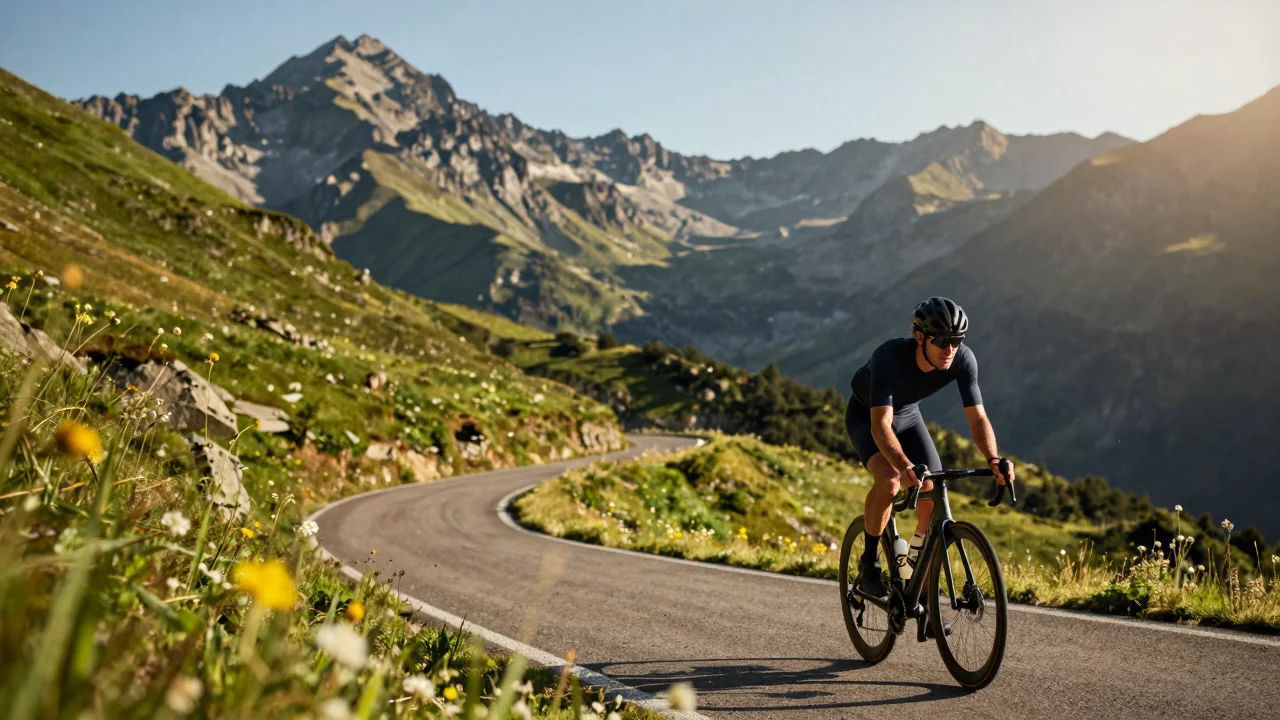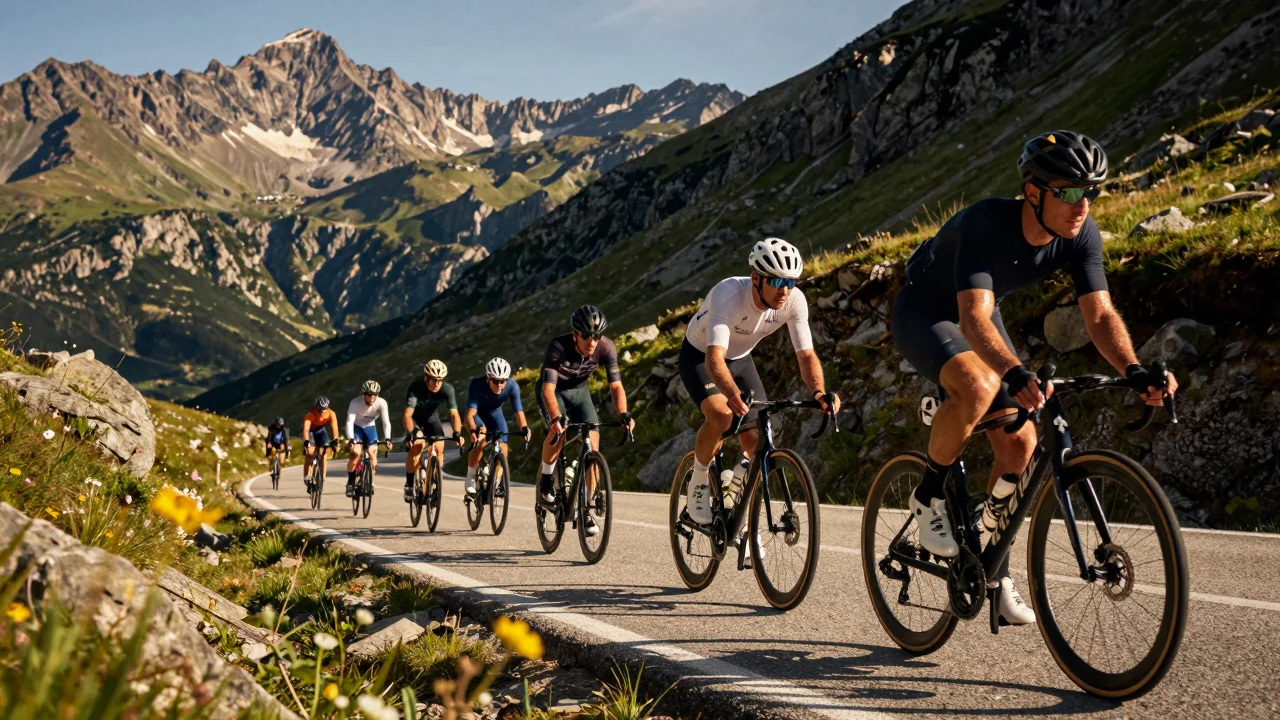
Imagine pushing your limits on narrow, winding roads that snake through the Spanish Pyrenees—only to realize your bike isn’t built for these punishing climbs. Or worse, realizing mid-adventure that you’ve underestimated the rugged beauty of routes like the Col du Tourmalet, where even pros sweat under the 2026 summer sun. Mountain road cycling in Spain isn’t just a ride; it’s an endurance test against nature’s grandest backdrops. Yet too many cyclists dive in unprepared, armed with nothing but general advice and an overconfident attitude.
In 2026, the game has changed. With advancements like AI-powered route planning apps (such as Komoot’s latest iteration) and carbon-fiber frames optimized for altitude, cyclists are tackling Spain’s most legendary ascents smarter than ever. But knowledge gaps remain—like knowing when to avoid Andorra’s icy patches or how to fuel properly for the 12% grades of Puerto de Navacerrada. That’s why we’ve curated the ultimate guide to conquering these roads, blending insider tips with cutting-edge gear recommendations. Whether you’re chasing La Vuelta a España’s iconic stages or just craving an epic solo challenge, this is your blueprint for success.
Top Mountain Road Cycling Spain Routes to Conquer
Spain’s diverse terrain offers some of the world’s most breathtaking mountain road cycling experiences, and 2026 is shaping up to be an unforgettable year for adventure seekers. Whether you’re chasing epic climbs or dreaming of jaw-dropping views, these routes promise thrills at every turn.
The Pyrenees: A Cyclist’s Paradise
The Pyrenees remain a bucket-list destination for mountain road cycling Spain enthusiasts, and in 2026, they continue to deliver. This iconic range boasts legendary climbs like the Col du Tourmalet and the Hors Catégorie climb of Port de Pailhères—both favorites from the Tour de France.
Cyclists flock here for good reason:
– Challenging ascents with gradients that test even the fittest riders.
– Scenic beauty, from lush valleys to rugged peaks.
– Well-maintained roads perfect for high-performance cycling.
– Rich history, tied to pro racing and iconic stages.
– Vibrant cycling culture, with plenty of local cafés and bike shops.
With routes like the Col d’Aubisque offering sweeping vistas, every kilometer feels like a reward. The Pyrenees are more than just a ride—they’re an experience that stays with you long after you’ve pedaled back down.
Sierra Nevada: High-Altitude Thrills
For those who crave high-altitude adrenaline, Sierra Nevada’s mountain roads deliver heart-pounding climbs and unforgettable panoramas. This Andalusian gem is home to Spain’s highest paved road, the Puerto de la Ragua, which tops out at 2,017 meters—perfect for pushing your limits in 2026.
What makes Sierra Nevada a must-ride?
– Steep gradients that demand both power and endurance.
– Stunning alpine scenery, with snow-capped peaks even in summer.
– Less crowded trails, offering a more serene cycling experience.
– Year-round accessibility, thanks to its southern location.
– Nearby attractions, like Granada’s historic sites, for post-ride relaxation.
The Puerto de la Ragua isn’t just about the climb—it’s about the sense of achievement when you reach the summit. With every pedal stroke, you’ll feel why Sierra Nevada remains a favorite among serious cyclists.
As we’ve explored these mountain marvels, it’s clear that Spain’s roads are calling—but there’s still more to discover before you set out on your next adventure.
Best Time to Cycle Spain’s Mountain Roads
Spain’s diverse landscapes and challenging terrain make it a dream destination for mountain road cycling enthusiasts. But when is the best time to tackle these epic routes? The answer depends on your preference for weather, crowds, and scenery.
Spring and Fall: Ideal Conditions for Cycling
Spring (March to May) and fall (September to November) are widely considered the goldilocks periods for mountain road cycling Spain. Temperatures are mild, averaging between 15°C–25°C (59°F–77°F), making long rides comfortable without the scorching heat of summer. These seasons also bring vibrant scenery—wildflowers in spring and golden foliage in fall—that elevate your riding experience.
Another major perk? Fewer tourists clogging the roads. While summer sees an influx of vacationers, spring and fall offer quieter routes, allowing you to fully immerse yourself in Spain’s breathtaking landscapes.
“Spring and autumn are my favorite times for cycling the Pyrenees. The cooler air means better endurance, and the trails are less crowded—perfect for pushing your limits.” — Javier Moreno, Professional Cycling Coach
The only caveat? Spring can bring occasional rain showers in northern regions like Galicia or Asturias. Packing a lightweight Gore-Tex Paclite Jacket ($250) ensures you stay dry without adding bulk. Similarly, fall riders should be mindful of shorter daylight hours, especially as November approaches.
With the ideal weather and scenery locked down, it’s time to consider how to prepare for these unforgettable rides.
Essential Gear for 2026’s Mountain Road Cycling Spain Adventures
Tackling Spain’s legendary mountain roads is an unforgettable challenge, but only if you’re properly equipped. Whether you’re a seasoned cyclist or a beginner looking to test your limits, having the right gear can make all the difference between an epic adventure and a frustrating struggle.
Must-Have Equipment for Safety and Comfort
Safety should always be your top priority when hitting Spain’s rugged terrain. Start with a high-quality helmet—the Smith Forefront 2 MIPS (€199) is a top pick in 2026, offering advanced impact protection and aerodynamic design. Pair it with road-specific cycling shoes, like the Giro Empire VR70 Knit (€349), which provide superior power transfer and breathability for long climbs.
Comfort is key when you’re spending hours in the saddle. A padded cycling bib, such as the Assos T.EADvouyer M12 (€259), reduces friction and enhances ventilation, while gloves with gel padding like the Giro Bravo (€39) protect your hands on bumpy descents.
Ready to hit the trails? Before you go, check out Easy Bike Tours in Spain Best Routes for Beginners to find the perfect route that matches your skill level.
Smart Extras for Performance and Convenience
Modern tech can give you a competitive edge on Spain’s demanding roads. A GPS cycling computer, like the Garmin Edge 1040 Solar (€649), tracks your performance, maps routes, and even recharges via solar power—a game-changer for long-distance riders.
Don’t forget hydration and nutrition—pack lightweight water bottles with insulated sleeves (like the Polar Bottle Chill) to keep fluids cool under the Spanish sun. Energy gels, such as SiS Beta Fuel (€25 for 16 packs), provide quick bursts of fuel during intense climbs.
With your gear sorted, it’s time to dive into the strategies that will help you conquer Spain’s most iconic mountain roads with confidence.
Training Tips for Conquering Spain’s Toughest Climbs
Mastering Spain’s legendary climbs demands more than just passion—it requires smart preparation. Whether you’re tackling the brutal slopes of La Pandera or the winding roads of Alto de l’Angliru, your body needs to be battle-ready.
Building Endurance and Strength
Spain’s mountain road cycling challenges are unforgiving, but with the right training plan, you can turn those grueling ascents into triumphant victories. Focus on progressive overload—gradually increasing intensity—to build the stamina needed for multi-hour climbs like the legendary 2026 Vuelta a España stages.
- Weekly long rides (3–5 hours) to simulate race conditions
- Interval training with 8%+ gradients using power meters like the Stages Cycling Dash M50 ($499)
- Strength workouts targeting quads and glutes (e.g., squats, lunges)
- Core stability exercises for better climbing efficiency (try the TRX Home2 System, $179.95)
- Recovery rides at low intensity to prevent overtraining
Pro tip: Mimic Spain’s terrain by finding local hills or using indoor smart trainers like the Wahoo Kickr Snap ($699) with simulated climbs.
Mastering Climbing Techniques
Efficiency is key when attacking Spain’s steepest roads. Proper pacing, gear selection, and body positioning can shave minutes off your climb times—critical for competitive riders aiming to conquer routes like the 2026 Giro d’Italia’s Spanish stages.
- Practice standing climbs on moderate slopes (5–8%) to build power
- Experiment with cadence (70–90 RPM) to find your sweet spot
- Use climbing-specific bikes like the Canyon Ultimate CF SLX 9.0 LM ($4,299)
- Optimize gear ratios—consider compact cranksets (e.g., Shimano Ultegra R8100, $579.99) for steep climbs
- Study Spain’s pro riders’ techniques via YouTube channels like GCN
Transition to the next topic seamlessly: With your body and technique dialed in, it’s time to tackle another critical aspect of mountain road cycling Spain—equipment selection.
Safety and Etiquette on Spain’s Mountain Roads
Spain’s breathtaking mountain roads offer some of the world’s best mountain road cycling experiences, but they come with unique challenges. Whether you’re tackling the Pyrenees or the Sierra Nevada, safety should always be your top priority.
Navigating Traffic and Local Customs
Sharing Spain’s scenic routes with cars, motorcycles, and fellow cyclists requires awareness and respect for local customs. Many mountain roads are narrow, with limited visibility around sharp turns—so always ride predictably and signal your intentions clearly. The Garmin Edge 1040 Solar (around €599) is a game-changer here, offering advanced navigation alerts for traffic patterns in real time.
“In 2026, Spain’s mountain roads see an average of 3,000 cyclists per month during peak season—highlighting the need for cautious riding.” — cyclingexpert.org
Spanish drivers are generally considerate toward cyclists, but it’s wise to assume some may not expect bikers on steep climbs. Stick to the right side, avoid sudden braking, and wear high-visibility gear like the Proviz REFLECT360 jacket (€129) for added safety.
Riding early in the morning or late afternoon can help you avoid heavy traffic, especially near popular tourist spots. And if you’re cycling in groups, maintain a single-file formation to minimize road disruption—a practice that earns respect from locals and fellow riders alike.
Now that you know how to ride safely and courteously, let’s explore the best gear to make your journey even smoother.
Pedal Into Paradise: Your 2026 Mountain Road Cycling Spain Bucket List
Spain’s mountain roads are calling, and 2026 is the perfect year to answer. From the hairpin turns of the Pyrenees to the sun-drenched slopes of Andalucía, these routes offer a thrilling mix of challenge and breathtaking scenery. Whether you’re chasing personal bests or simply soaking in the views, every climb and descent promises an adventure worth repeating.
The allure of mountain road cycling Spain lies in its diversity—whether it’s conquering legendary cols like Alpe d’Huez (well, almost) or discovering hidden gems away from the crowds. With 2026 bringing even more cyclist-friendly infrastructure and events, there’s never been a better time to hit the saddle.
Ready to take on Spain’s epic roads? Pack your gear, map your route, and start pedaling toward the journey of a lifetime!